What Blockchain Is Becoming Beyond Bitcoin
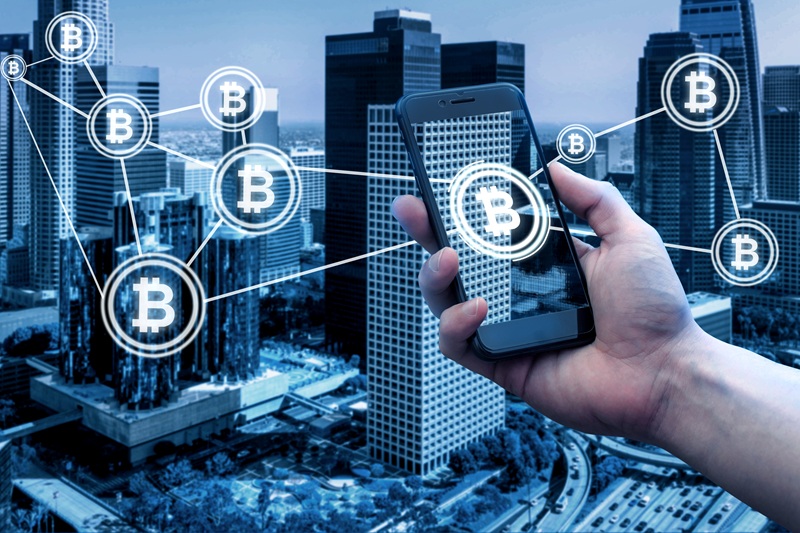
When people first hear the word blockchain, they often think of digital currencies. This is understandable, as early platforms like Bitcoin brought the technology into the spotlight. However, blockchain has grown far beyond its original use. Today, it is being explored and applied in many areas that have little to do with buying or trading coins. As discussed in this article, the future of technology is increasingly focused on real-world applications and practical impact.
At its core, blockchain is a way of recording information in a secure and transparent manner. Instead of storing data in one central location, it is shared across a network of computers. Each piece of information is linked to the one before it, making it difficult to alter without being noticed. This structure creates trust, especially in situations where multiple parties are involved.
One of the reasons blockchain is evolving is the need for better data security. In many industries, sensitive information is stored in centralized systems, which can be vulnerable to breaches. By distributing data across a network, blockchain reduces the risk of a single point of failure. This makes it useful for sectors such as healthcare, where protecting patient records is critical, and finance, where secure transactions are essential.
Another factor driving this shift is transparency. In traditional systems, it can be difficult to verify the accuracy of information without relying on a central authority. Blockchain allows all participants in a network to view and confirm transactions. This can improve trust between parties, especially in industries like supply chain management. For example, businesses can track products from origin to delivery, helping ensure authenticity and quality.
Smart contracts are also playing a major role in expanding blockchain’s use. These are self-executing agreements written in code. They automatically carry out actions when certain conditions are met. This reduces the need for intermediaries, which can lower costs and speed up processes. In areas such as real estate or insurance, smart contracts can simplify transactions that would normally require multiple steps and approvals.
Scalability has been a challenge in the past, especially when networks become busy. However, newer developments are focused on improving performance and efficiency. Solutions like Layer 2 systems are designed to handle more transactions without slowing down the main network. This makes blockchain more practical for everyday use, from digital payments to large-scale applications.
There is also growing interest in using blockchain for digital identity. Instead of relying on multiple platforms to store personal information, individuals can have more control over their own data. This can reduce identity theft and make verification processes faster and more secure. It also gives users more ownership over how their information is shared.
Another area of growth is in content and digital ownership. Creators are exploring blockchain as a way to protect their work and ensure they are fairly compensated. By using decentralized systems, they can maintain control over distribution and reduce reliance on large platforms. This shift is changing how digital content is created, shared, and valued.
As technology continues to advance, blockchain is being recognized as more than just the foundation for cryptocurrency. It is becoming a tool for building secure, transparent, and efficient systems across different industries. While there are still challenges to address, its potential goes far beyond its early use.
Understanding this shift helps explain why blockchain remains an important part of the conversation around future technology. It is not just about digital currency anymore. It is about creating systems that people can trust and rely on in a rapidly changing digital world. |